
Digital marketing has always evolved fast — but 2025 is shaping up to be a true turning point. From AI-powered creativity to privacy-first personalization, this year is forcing businesses to rethink how they connect with audiences online.
For small and medium-sized enterprises (SMEs), these changes bring both challenges and incredible opportunities. The tools that were once reserved for large corporations are now accessible to everyone — if you know how to use them.
Let’s explore the top 5 digital marketing trends of 2025 that every SME should keep an eye on — and how you can turn them into real results.
1. AI Becomes Your Marketing Assistant, Not Your Replacement
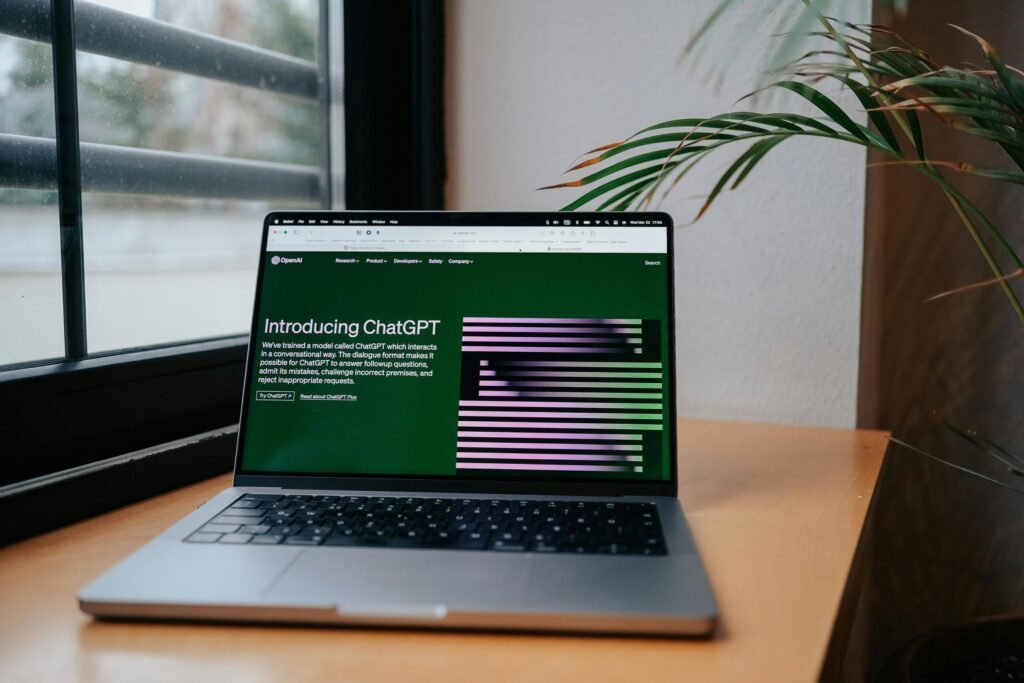
Artificial intelligence isn’t just a buzzword anymore — it’s now an essential part of marketing workflows. But here’s the key difference in 2025: AI is no longer replacing people; it’s empowering them.
Marketers are using AI to:
- Generate ideas for blogs, captions, and ad copy faster than ever.
- Analyze audience data and suggest new targeting opportunities.
- Automate repetitive tasks like scheduling posts or sending follow-up emails.
Tools such as ChatGPT, Jasper, and Google Gemini can help even small teams produce content at scale — without losing creativity.
However, AI still lacks one thing: human insight. Algorithms can write sentences, but they don’t understand emotion, culture, or humor the way you do. That’s why the best campaigns in 2025 come from a human-AI partnership.
SME tip:
Use AI for speed and structure, but let your team handle the storytelling, brand tone, and emotional connection. Free or affordable tools like Canva Magic Write, HubSpot AI Assistant, and Notion AI are great starting points.
2. Short-Form Video Dominates Every Platform
If your business still hasn’t embraced video marketing — 2025 is the year to start.
TikTok, Instagram Reels, and YouTube Shorts have reshaped how audiences consume content. The average attention span online is under 8 seconds, and short-form video continues to outperform every other format in engagement and reach.
That means even a local bakery, boutique agency, or online store can go viral with the right 15-second clip.
Why it matters for SMEs:
- You don’t need big budgets. Authenticity beats production value.
- Short videos humanize your brand — show behind-the-scenes moments, product tutorials, or customer reactions.
- Algorithms favor consistency — posting 2-3 times a week builds strong visibility.
Example:
A small coffee shop in Berlin gained thousands of new customers after posting quick “behind-the-barista” clips on Reels. Each video cost nothing to make, but told a story people wanted to follow.
SME tip:
Repurpose content. The same video can be used on TikTok, Instagram, YouTube, and even LinkedIn. Add subtitles, a strong hook in the first 2 seconds, and a clear call to action.
3. The Rise of Zero-Party Data and Privacy-First Marketing
The world after cookies is finally here — and it’s changing how marketers collect and use data.
Consumers today are more protective of their privacy. Laws such as GDPR in Europe and evolving U.S. state regulations mean businesses must earn data ethically. That’s where zero-party data comes in.
Zero-party data is information that customers voluntarily share — like preferences, interests, or purchase intentions. Think surveys, quizzes, or newsletter sign-ups where users tell you exactly what they want.
Why it matters:
- It builds trust between your brand and your audience.
- You gain more accurate data than third-party cookies ever provided.
- You can personalize marketing messages without invading privacy.
SME tip:
Start small — create an engaging pop-up survey on your website or ask new subscribers what type of content they prefer. Use simple CRM tools such as MailerLite, HubSpot Free CRM, or Klaviyo to organize and act on that data.
Transparency isn’t just a legal requirement in 2025 — it’s part of your brand identity. Customers reward businesses that respect their information.
4. Human-Centric Branding and Authenticity
The pandemic years made people crave real human connection. Even in 2025, audiences remain tired of overly polished ads and perfect influencers.
Brands that show vulnerability, humor, or genuine behind-the-scenes moments earn higher engagement — especially among Gen Z and Millennials.
What’s working now:
- Founder videos sharing personal lessons.
- User-generated content (UGC) from customers.
- Real-world photos instead of staged stock images.
- Imperfect storytelling that feels relatable.
For SMEs, this is a golden opportunity. You already have something big corporations can’t fake — authentic personality. Show your team, your workspace, your story.
Example:
A small design studio in Amsterdam built trust by sharing a post about a failed campaign — and how they fixed it. It performed 4× better than any promotional content they’d posted before.
SME tip:
Create a weekly “human touch” post — team news, client stories, or community moments. It keeps your brand relatable and top-of-mind.
5. Omnichannel Is Back — But Smarter
In 2025, customers expect to interact with your brand across multiple touchpoints — and they want the experience to feel seamless.
That’s the essence of omnichannel marketing: blending social media, email, SEO, ads, and your website into one consistent experience.
But this year’s difference is intelligence. Thanks to automation tools and unified analytics dashboards, even small businesses can now coordinate messaging across channels easily.
Example:
An online fashion retailer in Paris uses Shopify, Google Ads, and Klaviyo email automation. When someone adds a product to their cart but doesn’t check out, they instantly get a personalized email and a retargeting ad — without the owner lifting a finger.
SME tip:
Use automation platforms like Zapier, Meta Business Suite, or ActiveCampaign to connect your tools. Start with one campaign that synchronizes email + social ads + remarketing.
A unified experience doesn’t just improve conversions — it builds customer loyalty.
Bonus: Sustainability and Ethical Marketing
Sustainability isn’t just a nice extra anymore — it’s a buying factor.
A recent European Commission survey showed that over 60 % of consumers prefer brands with eco-friendly values. In the USA, younger demographics are also increasingly driven by ethical purchasing.
Digital marketing reflects that trend: more brands are highlighting their green practices, inclusive imagery, and local community support.
SME tip:
You don’t need to overhaul your business overnight. Even small steps — recyclable packaging, eco-friendly delivery partners, or transparent messaging about how you source materials — make a difference. Communicate it authentically on your website and social channels.
The Bottom Line
The biggest marketing shift in 2025 isn’t just about new tools — it’s about balance.
Businesses that combine technology with authenticity, automation with empathy, and creativity with data will win the attention (and trust) of modern audiences.
For SMEs in Europe and the USA, this is the moment to act. Adopt AI to boost productivity, embrace video to stay visible, collect ethical data to build loyalty, and show the human heart behind your brand.
Ready to Put These Trends Into Action?
If you’re an SME ready to harness these 2025 trends — from AI-powered marketing to authentic storytelling — Ignite Global Media can help you build digital strategies that actually perform.
👉 Contact us today to ignite your next campaign.

No comment